Creative
Beat the “Spring Fever�? How Gardening Transforms Your Home & Mood
Author: Mia Turner

As the last traces of winter melt away, a familiar restlessness often sets in. Some call it “spring
fever”—that itch for renewal, for shaking off the gray and embracing the vibrant pulse of the season.
Perhaps you feel it too: a longing to open the windows, rearrange the furniture, or bring something
living and breathing into your space. While decluttering and redecorating have their merits, there’s
another, more deeply rooted way to channel that energy—one that not only beautifies your home but also
soothes your spirit. Gardening, whether on a windowsill or in a backyard plot, offers a surprising
antidote to the seasonal slump. It’s more than a hobby; it’s a quiet rebellion against the hurried pace
of modern life.
The Unseen Roots of Well-Being
Let’s start with the science—or at least, what researchers are beginning to understand. Multiple studies
suggest that interacting with plants can measurably reduce stress. A 2021 review in the
Journal of Environmental Psychology highlighted that even brief exposure to greenery, whether
outdoors or indoors, can lower cortisol levels, the body’s primary stress hormone. But gardening goes
beyond passive observation. The act of digging, planting, and nurturing engages the senses in a way that
screens simply can’t replicate.
Consider the scent of damp soil after watering. It turns out that smell isn’t just nostalgic; it’s
biochemical. Some scientists, like Dr. Florence Williams, author of The Nature Fix, point to
Mycobacterium vaccae, a harmless soil bacterium, which may stimulate serotonin production in
the brain—the very neurotransmitter targeted by many antidepressants. “We’re just beginning to grasp how
deeply our nervous systems are wired to respond to natural environments,�?she notes. While it’s too
early to call gardening a clinical treatment, many therapists now incorporate horticultural activities
into mindfulness and anxiety-reduction programs.
Then there’s the rhythm gardening imposes—a gentle, cyclical tempo that stands in stark contrast to the
relentless ping of notifications. You can’t rush a seed to sprout. You can only provide the right
conditions and wait. This enforced patience, this submission to natural timing, can be a powerful
corrective to our obsession with instant results. As one urban gardener in Brooklyn reflected, “Tending
to my basil and succulents became a form of meditation. I’d lose track of time, completely absorbed in
checking leaves for pests or gauging the soil’s moisture. It was the one part of my day without a
deadline.�?/p>
Breathing Life Into Your Living Space
Beyond the psychological perks, introducing plants into your home transforms its very
atmosphere—literally and aesthetically. We’ve all heard of the NASA Clean Air Study, which identified
certain houseplants like peace lilies and snake plants as effective in removing volatile organic
compounds (VOCs) from indoor air. More recent critiques have questioned whether you’d need a jungle-like
density of plants to achieve significant purification in a typical home. Still, the symbolic value
remains: each plant acts as a tiny, silent air filter, a small testament to cleaner living.
Aesthetically, plants introduce texture, color, and a sense of dynamism that few static decor items can
match. Interior designers have long known this. “Plants soften hard lines and make a room feel lived-in
and welcoming,�?says designer Maria Rodriguez. “A well-placed fiddle-leaf fig or a trailing pothos can
draw the eye upward, adding height and drama to a corner that might otherwise feel dead.�?The key,
perhaps, isn’t about following strict rules but about cultivating your own visual ecology. Mix tall,
structural plants with cascading vines. Play with pots—a sleek ceramic planter here, a rustic terracotta
there. Your home stops being a showroom and starts feeling like a habitat.
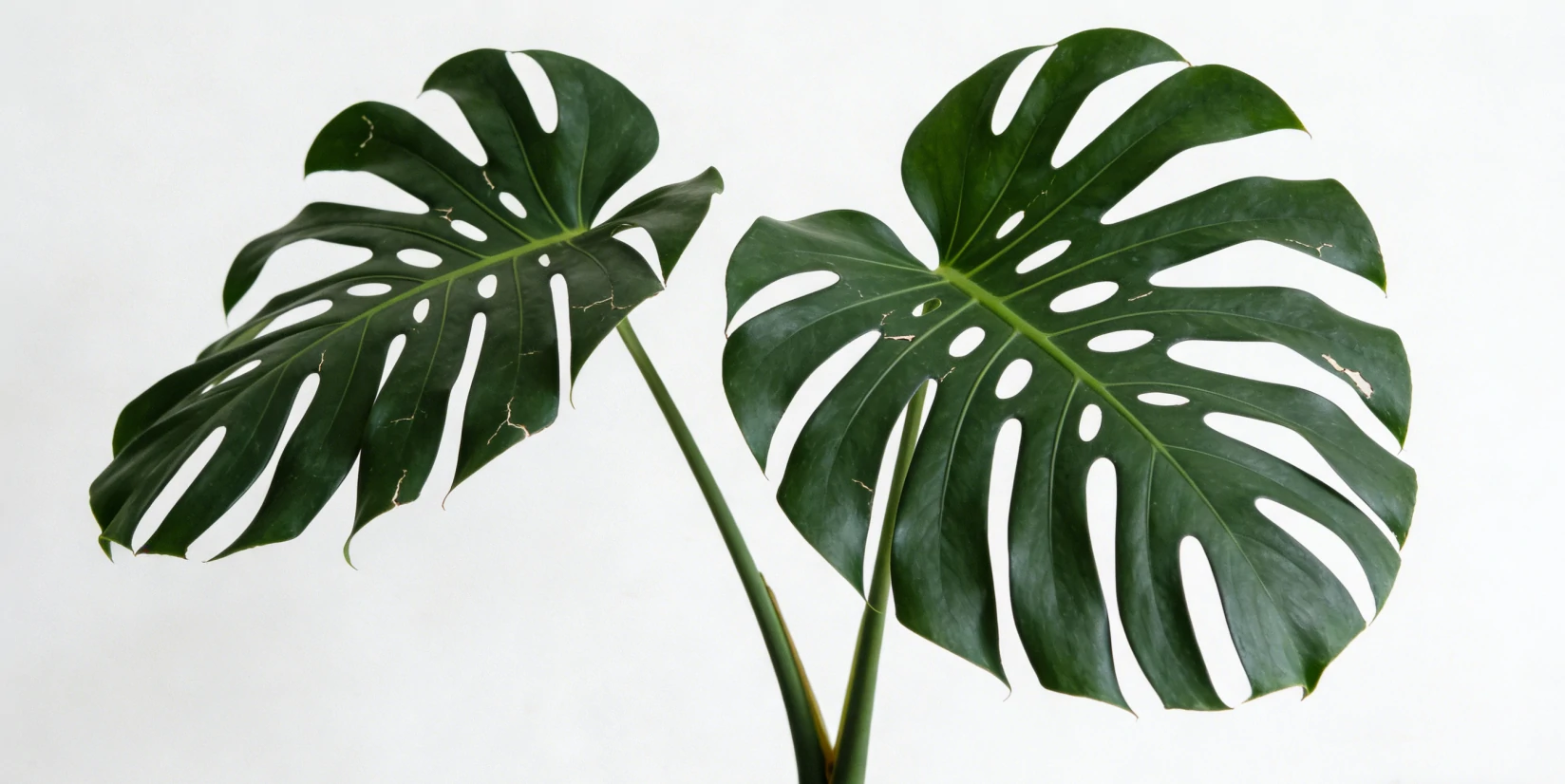
And let’s not overlook the small, daily interactions. The way morning light filters through a monstera’s
split leaves, casting intricate shadows on the wall. The satisfaction of spotting a new leaf unfurling
on your philodendron. These micro-moments of beauty are scattered throughout the day, tiny punctuation
marks in the narrative of our lives.
From Brown Thumb to Green Sanctuary
If you’re new to gardening, the prospect can feel daunting. Visions of wilted herbs and yellowing leaves
may come to mind. But the journey from self-proclaimed “brown thumb�?to confident plant parent is often
just a matter of starting simple and learning from mistakes.
Begin with forgiving species. Snake plants (Sansevieria) tolerate low light and irregular
watering. Pothos (Epipremnum aureum) thrives even in forgetful hands. ZZ plants (Zamioculcas zamiifolia) are nearly indestructible. These resilient varieties build confidence. Local nurseries, rather than
big-box stores, can be invaluable resources. The staff often possess a wealth of practical, localized
knowledge you won’t find on a generic care tag.
Embrace the experiments. Not every plant will survive, and that’s part of the process. A woman from
Portland shared how she killed three rosemary plants before realizing her apartment was simply too dark.
“It felt like failure at first,�?she said, “but then I switched to mint and it went wild. Now I have
fresh tea all winter. You learn what works for your specific environment.�?/p>
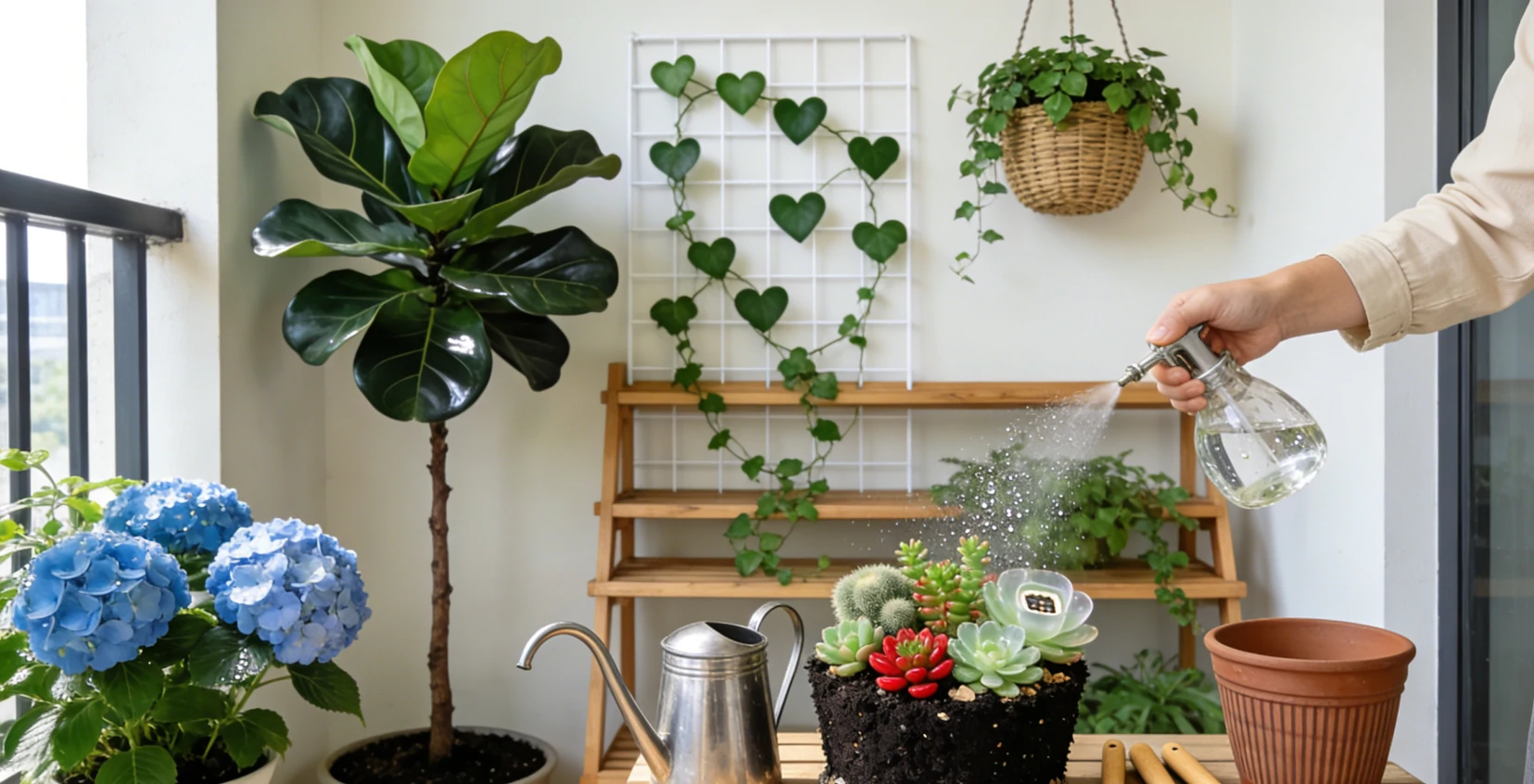
For those with more space, container gardening on a balcony or patio opens up possibilities for growing
food. There’s a unique, profound satisfaction in harvesting your own salad greens or snipping fresh
chives for an omelet. The flavor is incomparable, a vibrant burst that supermarket produce, bred for
transport durability, often lacks.
Weaving Nature Into the Fabric of Daily Life
Ultimately, the most significant transformation gardening enacts might be a shift in perspective. It
encourages a more observant, engaged way of moving through the world. You start noticing the quality of
light in different rooms. You become attuned to seasonal shifts. A weekend morning might find you
repotting a root-bound fern, hands covered in soil, completely present in the task.
This practice fosters a different kind of relationship with your home. It’s no longer just a container
for your life but a collaborative ecosystem. You provide care and space; the plants reciprocate with
beauty, cleaner air, and a calming presence. They become silent companions in your daily routine.
Perhaps the ancient urge to cultivate green things, an urge we’ve suppressed in our concrete and digital
worlds, is more essential than we’ve allowed ourselves to believe. In an era of climate anxiety,
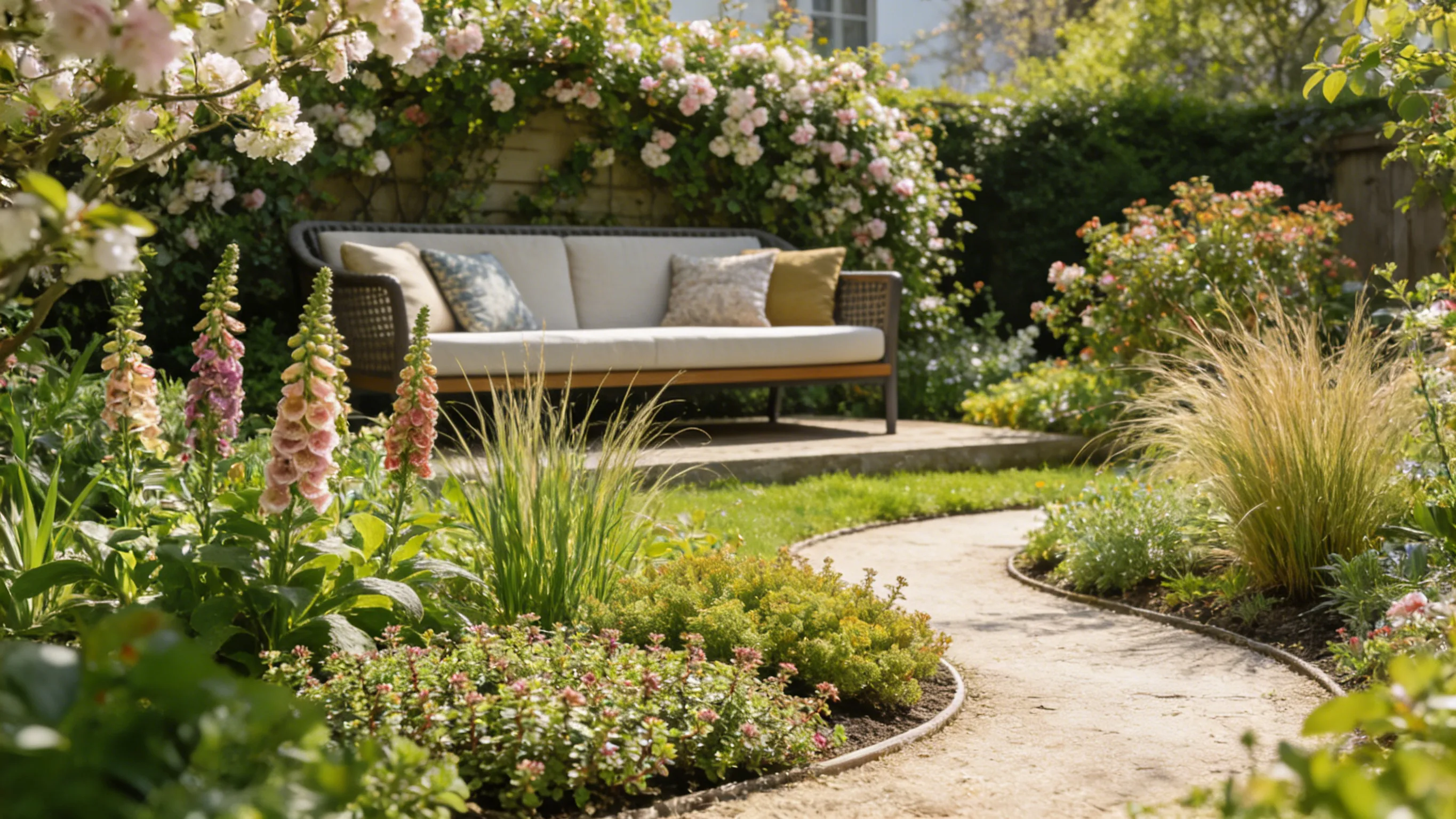
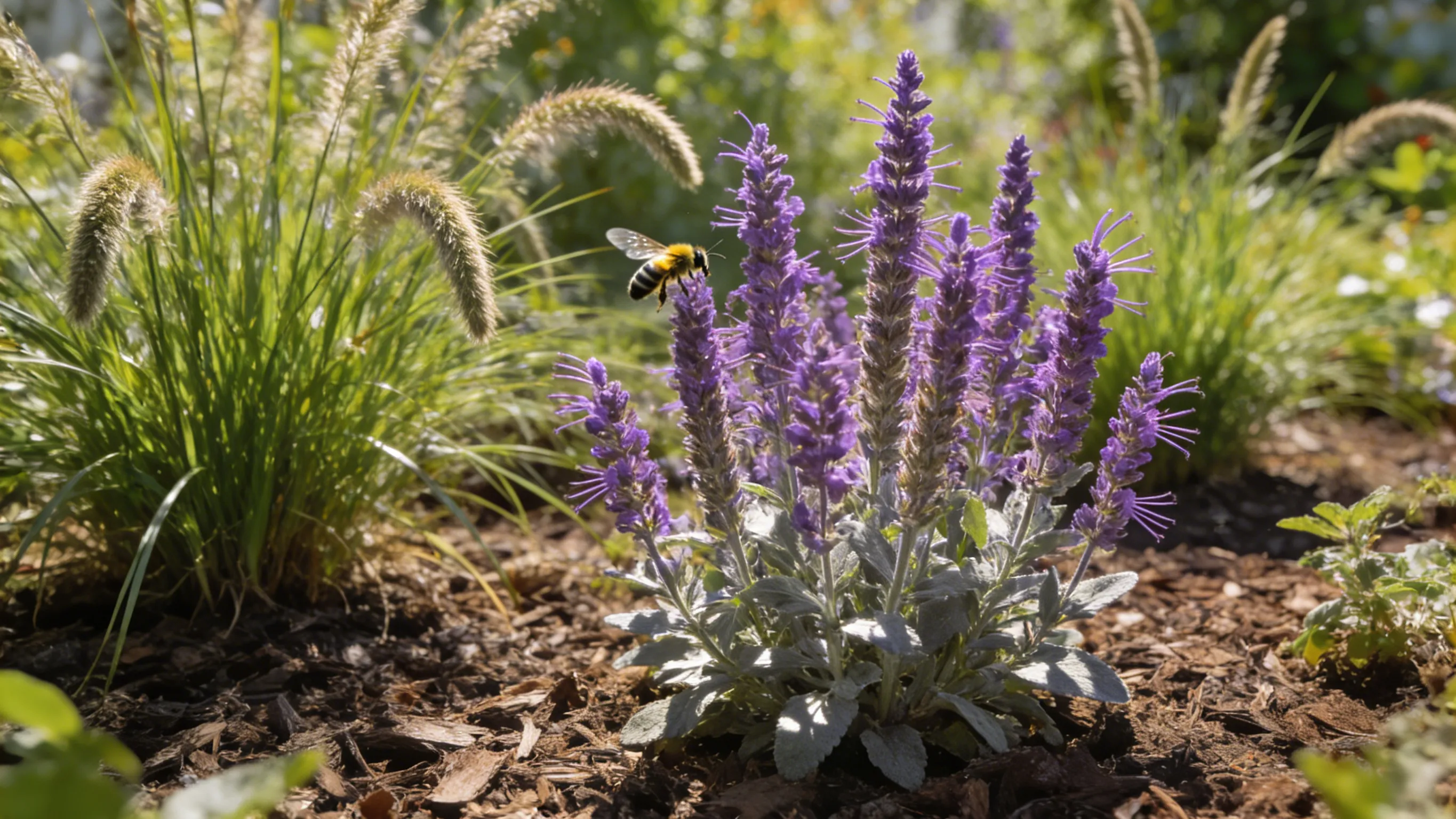
small-scale gardening can also feel like a hopeful, tangible act—a way to foster biodiversity, even if
just by planting pollinator-friendly flowers in a window box.
So, as spring unfolds its colors, maybe the best way to beat that “fever�?isn’t to fight it, but to dig
into it. Start with a single plant. Observe it. Learn its language. You might just find that in
nurturing its growth, you’re also cultivating a quieter mind and a more beautiful, alive home. The
transformation, after all, works both ways.